

In the world of longevity science, few things are as cruel as letting free radicals flow amongst your cells. Radical oxygen species (ROS) must be dominated and locked in a cage before they can disturb your sweet, sweet DNA. Bryan Johnson, obvious reader of the blog, sells cocoa powder with high antioxidant content to squash these lowly beasts that seek to eradicate the beautiful garden of Eden that is your body.
But, what even is an antioxidant? Shoot, is that different from a polyphenol? And, cocoa has tannins in it, so are those good for me as well?
Turns out that the world of antioxidant science is a complicated pig sty of chemical synonyms, marketing wordslop, and a heap of online pseudoscience that just leaves us all rolling in the mud. Let me be the wholesome farmer (maybe even named Jed) that walks you around and tries to put order to the chaos. So put on your wellies, roll up your sleeves and let’s take a peek into the barn to understand this confusing landscape within food that is as clear as mud.

Antioxidant as a Job Description
First and foremost, antioxidants are anything that slows or prevents the oxidation of something else. In the food system, these typically look like rosemary extract, ascorbic acid (aka Vitamin C), tocopherols (aka Vitamin E) and a few other acronyms that clean-label folks have tried to delete from their ingredients, like BHT and BHA.
But this description of antioxidants fans out far larger than simply these elements, and can encompass enzymes that your body naturally produces like superoxide dismutase or glutathione peroxidase, which also sequester oxygen radicals that pop up. There are also small molecules that your body produces as waste, like bilirubin. It comes from the breakdown of retired red blood cells and is excreted, but there is research going into producing it synthetically to help with organ transplants and inflammation.
Basically, the word “antioxidant” would be better comprehended as an adjective rather than a noun. Each antioxidant species has different productiveness in cleaning up these free radicals as well; referred to as antioxidant capacity. So, for example: just because you eat equal amounts of resveratrol (from grapes) and lycopene (from tomatoes) doesn’t mean that they are clearing out the same amount of radical oxygen species. Think about it like runners: some are better suited for long distance and others are more trained for short distance.
Finally, the biggest class of antioxidant molecules that most CPG companies and folks trying to live forever are trying to sell you (not mutually exclusive) come from plant compounds: polyphenols, carotenoids, flavones, flavanols, flavonones, and other flav. Let’s wander over to this stall and check out this pen of Berkshire shoats.
Polyphenols are an Expansive Family Tree
“Polyphenol” is a blanket term that can refer to over 8,000 different compounds. They are grouped together because they have more than one (poly-) phenol ring. Plants make them as pest deterrents, UV screens, antimicrobials and pigmentation, where the human benefit is a kismetic side effect.
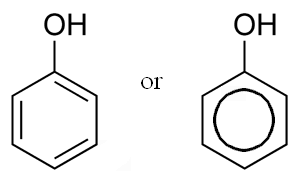
Stick with me here because we’re about to venture into the Greek-Latin chimera that is chemistry. The polyphenol family tree blooms into four main branches: phenolic acids, flavonoids, polyphenolic amides, and non-flavonoids.
You’re likely getting phenolic acids all of the time. They are composed of chlorogenic acid in coffee and gallic acid in tea, raspberries, and oak-aged beverages. Incidentally, when we talked about antioxidative capacity earlier, one of the ways to measure this is called “gallic acid equivalents” or GAE. Basically, using gallic acid as a baseline for everybody else. The GAE of chlorogenic acid is about half of gallic acid. Basically meaning that if your coffee and tea had the same quantity of their respective phenolic acids, you would get more cleaned up by the tea, but that’s not changing my mind at 7am.
Flavonoids are the largest of the branches with six sub-families, five of which start with “flav-” and then anthocyanins. The celebrities in this branch are apigenin (one of Huberdaddy’s favorite sleep aids from camomile), catechins in teas and cocoa, and the red, purple, and blue pigments in cherries, blueberries, cabbage, etc.
Polyphenolic amides are a small branch that mainly encapsulates capsaicinoids (yes, spicy food can be antioxidative) and some interesting and unique ones found in oats. Non-flavanoids are yet another umbrella term in the matrix of polyphenols that encompass the yellow pigment from turmeric (curcuminoids) or coumarin from cinnamon and my beloved tonka bean.
I know what you’re thinking too: “what about tannins? I love me an astringent wine Jed, but I don’t see you classifying where my Nebbiolo lives”. Well tannins split off into being both flavanoids and non-flavanoids, battling for a corner of the Tug Fork River like the Hatfields and McCoys. We’ll definitely continue to explore these in the weeks that come.
The List Goes On and On

Oh, you thought polyphenols were the only Russian nesting dolls that make up my pig farm/antioxidant analogy (that is fully exhausted)? We haven’t even talked about the other massive plant family loaded with antioxidants: carotenoids. These are mainly seen as pigments and break out into two sub-families called carotenes (why carrots are orange and tomatoes are red) and xanthophylls (why pink salmon is good for you). Both of these also have a crazy amount of sub-clans that are fascinating and I hope you’ll come back for more of this in my further writing.
I’m glad you came over to Jed’s Pig Pen. I hope you get the idea that the way the market easily swaps between “antioxidant” and “polyphenol” makes about as much sense as swapping “bacon” and “pig” on products as diverse as coffee and salmon. But marketers have a tough job since shoppers look at any individual product on a shelf for 0.6 seconds on average. We’re all busy and we frankly don’t have the time to research what the hell a xanthophyll is. Half the research would be learning how to pronounce it!
The world of food beyond the preliminary nutrition facts panel is complex and complicated. I don’t blame anyone for blindly trusting an innovative new food company to have your best interest in mind. Because these classes of plant compounds are so extensive, I’m putting together a digestible series of posts breaking down the most marketed antioxidant molecules, how they work, if they work, and if it’s worth your time to research supplementing them. In the meantime, here’s to hoping for more transparency from your favorite brands and influencers, but I’ll expect that as soon as pigs learn to fly.